

in defence of unconditional loving
Mohabbat ho toh aisi

A broken heart is not a tragedy but a corollary of love dyed into a million different shades of red.
We are not disposable beings made to be replaced by miracles that seed us but beings marking each other into obliteration with no return. We are sinners in this way. My destruction is not a failure of love but a deliberate self-annihilation that liberates me from the woes of my ego and offers me proximity to my beloved’s otherness. An otherness so sacred, I wouldn’t dare deny it.
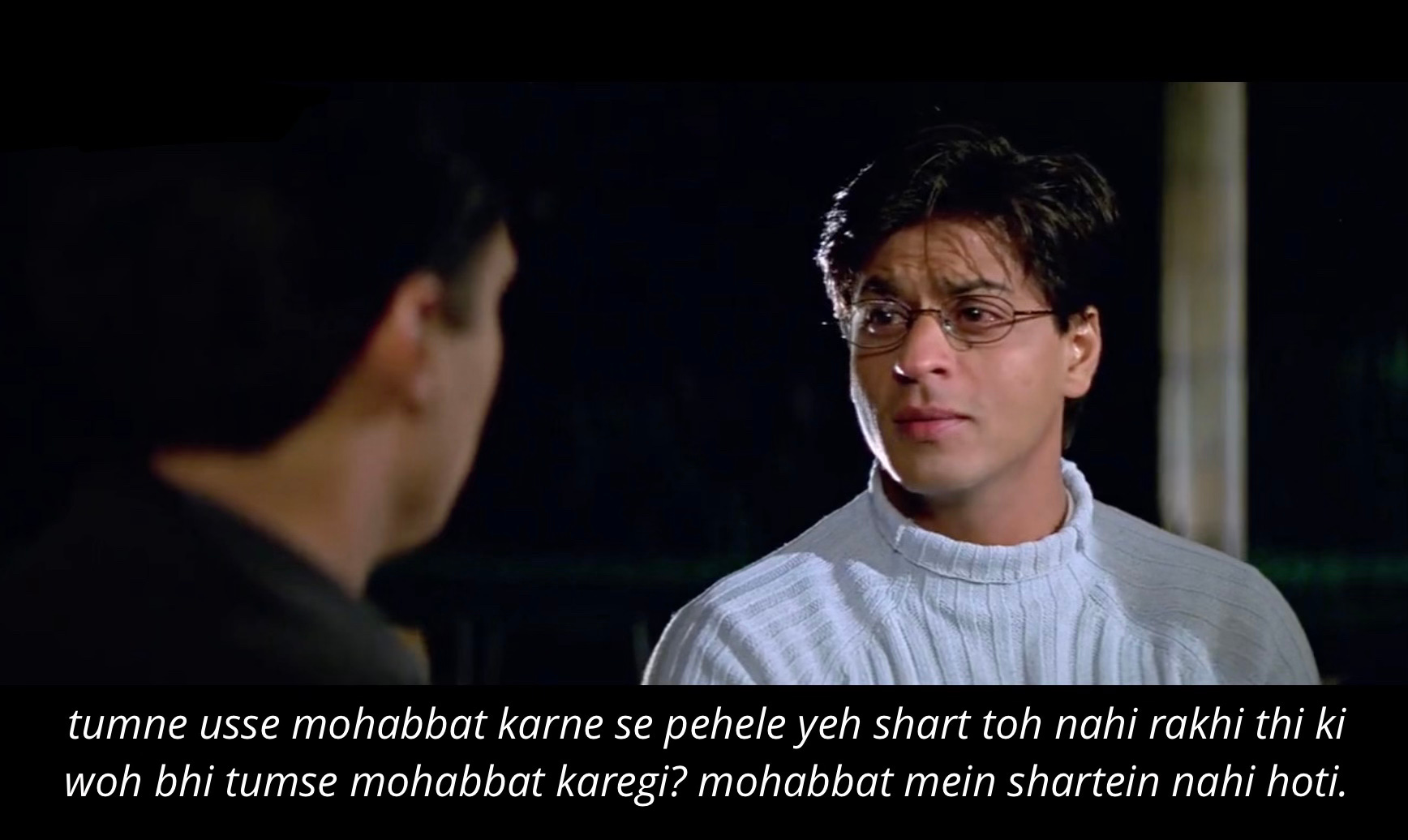
People often ask me, “weren’t you moving on?” as if the act of loving itself can be undone. As if pouring my heart out into another came with a pre-requisite expectation that my devotion must be returned, that it must be reciprocated with the same intensity. True love doesn’t demand such conditioning. True love doesn’t seek, only embodies.
If i’ve learned anything these past few years, it is that one love cannot be replaced by the promise of another. I cannot jump headfirst into an experience hoping it’ll save me from drowning in the ashes of a previous one. It has already happened—my heart’s ceremonial sacrifice.
The ache is the scent of memory, and the memory is my heart’s ultimate surrender. I don’t expect reciprocity as much as I allow love to change me. And so it did.
Today at the printers, I came across a young femme around my age pacing around the shop haphazardly with a piece of printer paper clutched to their chest—just one, confirming its qualitative dearness onto which the following greetings lay pressed in beautiful hand-written type form:
“to _____

from_____"
It’s not very often that I get to see young folks squandering around the shop I go to, mostly it’s just commercial business clients or other locals visiting. Almost done with my own business and ready to leave, my curiosity was instantly stirred the moment I got a glimpse of the rear side of the paper—struck by the gorgeousness of the illustration of two femmes embracing under an archway of what looked like lilac blossoms, one pressing a kiss to the other’s cheek. Such delicate intimacy. The piece was illustrated with soft pastel tones enhancing its daintiness. The same delicacy being mirrored in the owner’s tender grasp in handling what I could only assume was a gift for their lover. It was definitely not what I was expecting to see (queerness is not a common discovery in this country, at least not so openly out in the wild) though it was exactly the reminder I needed: Love exists all around me even when it’s not particularly mine to keep.
Warmth spread across my chest as I witnessed this love spring in full bloom—like the harvest of lilacs, a monsoon miracle—a love that didn’t replicate the contours of my own but occupied the same room as mine, breathing the same air, making the same silent promises. Same fruit but different aftertaste. The same object discovered in a different colour, neither greater nor lesser than the other.
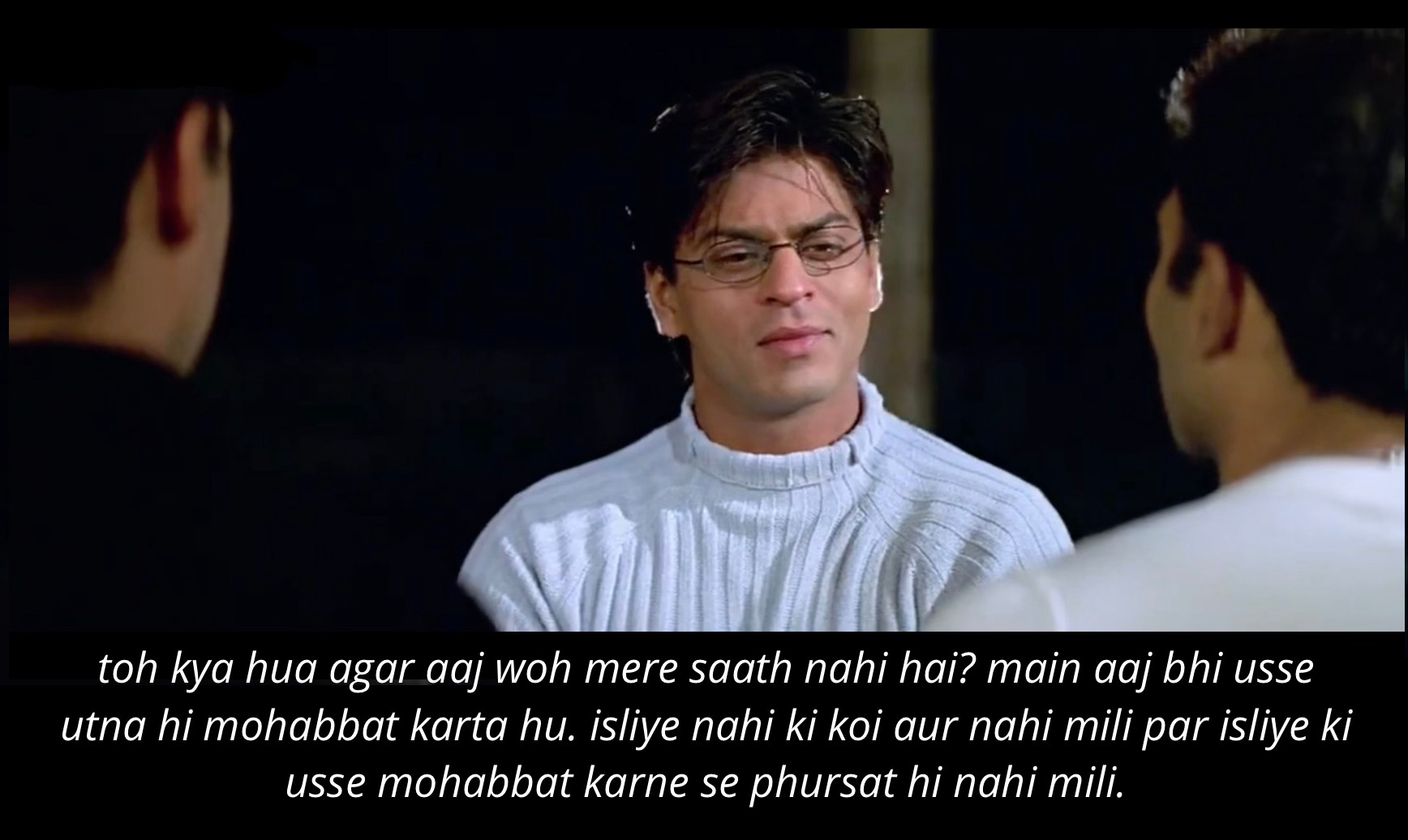
No one tells you to stop loving a person you lose to death. Because they know that grief comes in waves and never actually leaves us. That love never ends. But they will encourage you almost immediately to “move on” from a love that broke your heart. Why? So you don’t miss out on the life you’ve yet to live. So you don’t find yourself attached to a love that has the power to ruin you. That has already ruined you once before. The process of annihilation has already taken place and there is no undoing it, only repairing. And living is loving. In my grief, in my capacity for heart wrenching eternal love, I am living the most vibrant life I could want for myself.
“My love for you has no finish line.” writes Meg in her recent letter to Andrea.
Why can’t we allow ourselves the same heart expansion in life? Why, only in death does love get to take such endless form—always present even in absence and never question its longevity? No, I don’t think this is me making excuses or settling for less. I think this is quite the opposite. I think recognising your feelings despite love’s departure and allowing them to take up the space they deserve is part of healing.
I don’t think you need to lose yourself in order to continue loving somebody who isn’t capable of loving you. I think love can be just that—surrender to that which already is. This is also a form of release, of releasing control over what we fear will cause us more suffering. And so, I want to ask you—why can’t we let our hearts stretch to their maximum elasticity, trusting they know exactly what they’re doing?
So what if the outcome is not as desirable? The experience has been transcendental.
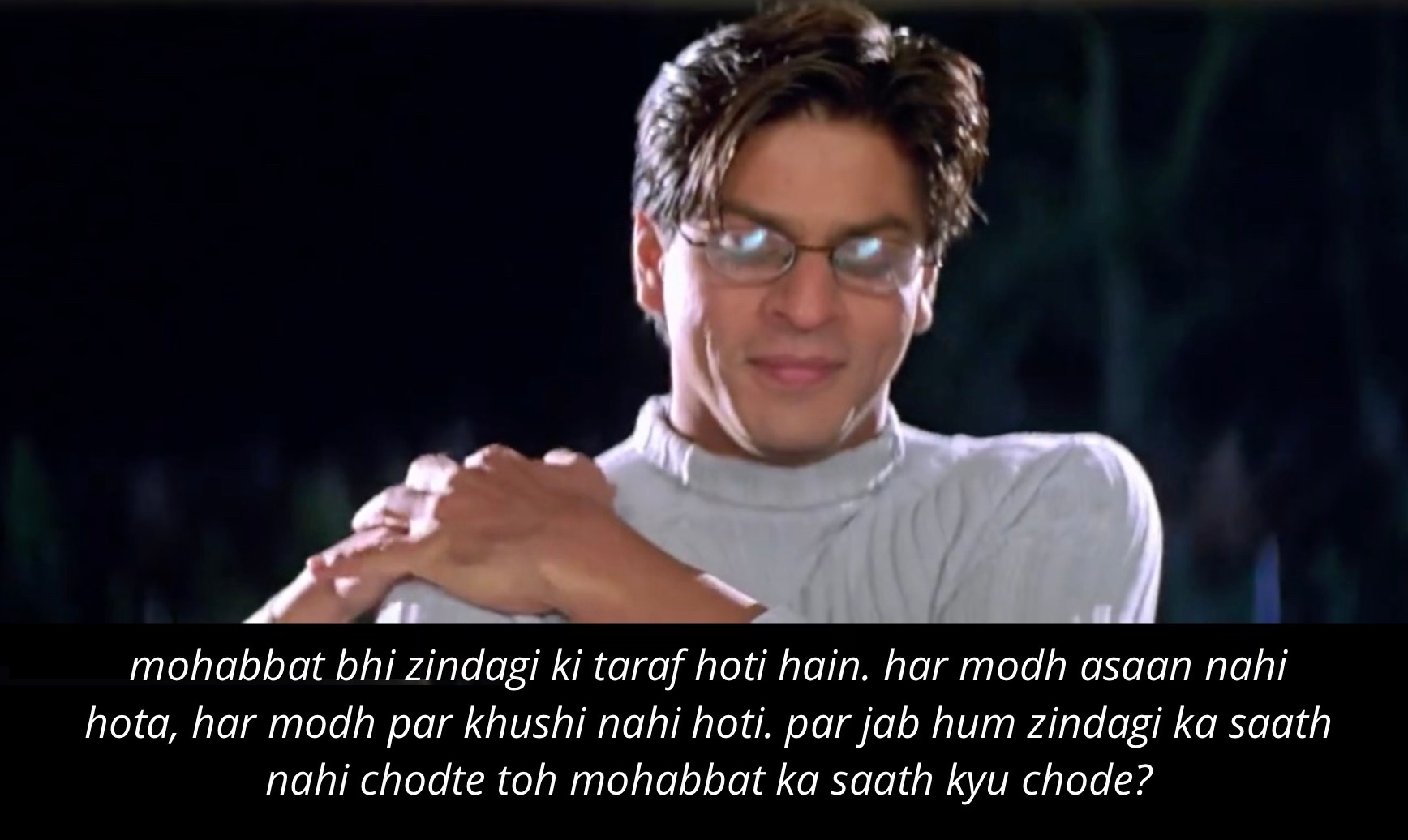
The act of wanting in itself is the point of access towards the object which is essenced in the want. It is already yours in the now. How can you want something that is already yours? Separation is an illusion when desire doesn’t latch itself onto this idea of a definite form but instead embraces its indefinity.
Sometimes, we desire things that already belong to us. Other times, we do not recognise our own desire even when it gazes right back at us with divine recognition, a sort of passive knowing without any material proof, because of our lack of trust. But weren’t you the one who asked for this? And now you run away, afraid that it arrived in a different form than what you expected.
The thing you want to experience wants to experience you back with the same ferocity. It is in our cosmic nature—this illusion of distance that contains the wanting, without which we would already be existing in oneness with our desire.
There is a love that my heart dreams of, and a love I’m sure on some level of consciousness is already mine to keep. But until I can access that sphere of divinity, why must I deny myself all the gifts of the now—my emotional surrender on this plane of existence? Even when the gifts which arrive, arrive without a promise of safe landing. Especially those that make my heart expand.
Why would I give up on a love that made and continues to make my heart expand with such sacred enormity? These are the lessons whose answers i’m learning to embody with grace after having offered my heart to another, after carrying it around like a precious gemstone gathered from the riverside only for them to devour it fully before setting it aside. The sacrifice of letting myself truly love, at least once. The ache of wanting to be loved back.
What good is a heart not being used for its very purpose? What good is connection without risk?
In this search for love, I find myself already lathered in its magnificent juxtaposition: that there is no love without loss and loss is the price you pay for having loved at all.

The seven seas separating us is not enough distance to make me love you any less. The only border I recognise is where my body ends and yours begins.
Note: This newsletter is not me telling you what to do and what not to do in the matters of the heart (which has become a popular rhetoric in today’s online culture). Please use your own discernment when reading and integrating. Whatever you choose to do in your life in response to however your heart calls out to you without external opinions interfering is probably the best gift you can offer yourself. As for this, it is me simply trying to connect with Source energy in my own life. Integrating heartbreak into embodiment. This is how I’ve come to know love over the years and this is what has been true for me.
with love,
mei
God yes this
reading this on the treadmill and looking around to see if anyone is watching me cry